
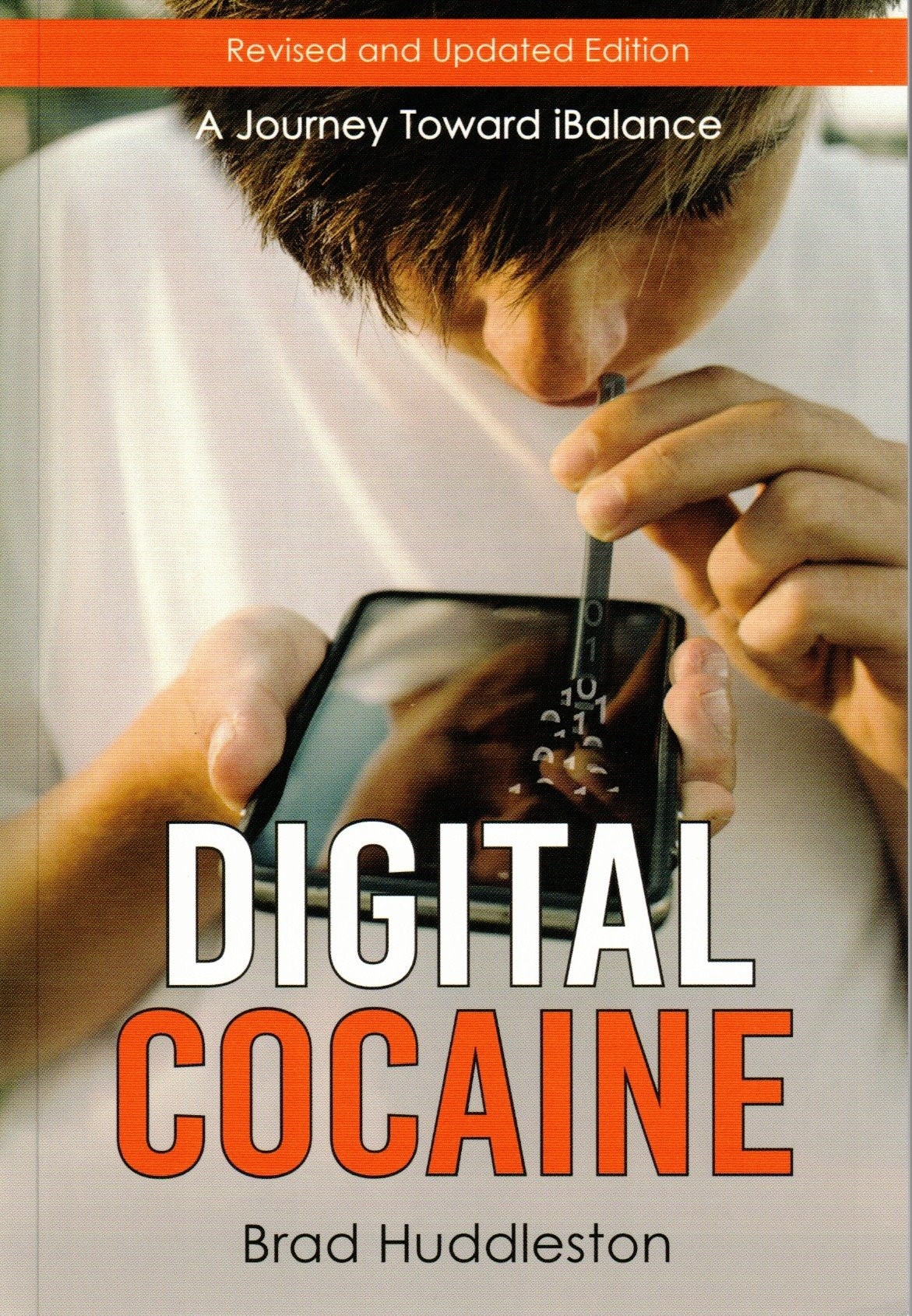
Author: Brad Huddleston
ISBN:
9760638001488
What is the
difference between half a line of cocaine and an hour playing online
games? Nothing, as far as your brain is concerned.
What can digital
devices in the classroom contribute to focus and concentrate? Nothing, as far
as your brain is concerned.
In this revised edition the reader will learn the secrets of digital addiction, and how to navigate this rocky road.
In today’s
fast-paced, hyperconnected world, the concept of "digital cocaine"
has emerged as a metaphor for the addictive nature of excessive technology use,
particularly social media, smartphones, and the constant barrage of digital
stimuli. The term likens the compulsive use of digital devices to the addictive
properties of cocaine, where the brain becomes overstimulated and dependent on
the constant cycle of instant gratification. This phenomenon has raised
concerns among mental health professionals, educators, and individuals alike,
as it seems to mirror the psychological and neurological effects of substance
abuse.
Causes of
Digital Cocaine Addiction
1. Instant Gratification
One of the primary causes of digital addiction is the instant
gratification that technology provides. Every notification, like, or message
offers a small dopamine hit, triggering the brain's reward center. This
constant cycle of reward reinforces the behavior, leading to a craving for
more, which over time can escalate into addiction.
2. Social Media Algorithms
Social media platforms are specifically designed to keep users
engaged for as long as possible. With personalized content feeds, push
notifications, and endless scrolling features, these platforms use
sophisticated algorithms to curate content that triggers emotional responses,
such as pleasure, anger, or curiosity. This constant engagement often leads
individuals to spend excessive hours online, even if they are aware of its
negative impact.
3. Fear of Missing Out (FOMO)
The fear of missing out is another factor driving digital addiction.
Social media platforms highlight the most exciting or glamorous moments of
other people's lives, which can lead individuals to feel anxious or left out if
they aren’t constantly checking their feeds. This sense of urgency can create a
compulsion to stay plugged in.
4. Accessibility and Convenience
Smartphones and other digital devices are always within arm's reach,
making it easy for individuals to quickly check messages, browse the internet,
or play games. The convenience and accessibility of digital technology make it
harder to disengage, and often, people resort to using their devices to avoid
boredom, stress, or negative emotions.
The
Psychological and Physiological Impact of Digital Cocaine
The impact of
excessive digital consumption can be profound, both psychologically and
physiologically. Prolonged exposure to digital screens can lead to digital
eye strain, headaches, and disrupted sleep patterns due to blue light
emitted from screens. Moreover, the mental toll can be just as damaging—chronic
overuse of technology is linked to anxiety, depression, and low
self-esteem. Individuals may experience feelings of isolation or inadequacy
as they compare their own lives to the often-curated highlight reels seen on
social media.
Possible cures for Digital Cocaine addiction:
1. Digital Detox
One of the most effective ways to combat digital addiction is
through a digital detox—an intentional break from digital devices and social
media. This can involve setting specific periods throughout the day or week
where individuals disconnect completely. Some people even schedule entire
weekends or vacations where technology use is minimized to encourage
face-to-face interactions and a reconnection with the physical world.
2. Mindful Technology Use
Practicing mindfulness when using digital devices can help
individuals become more aware of their screen time and emotional responses to
digital content. This includes setting boundaries, such as limiting social
media use to certain times of the day, turning off non-essential notifications,
and being intentional about the content being consumed. Apps and tools that
track screen time can also help users monitor their usage and identify patterns
of addiction.
3. Therapeutic Interventions
For those experiencing severe addiction to digital technology,
therapy and counseling may be necessary. Cognitive Behavioral Therapy (CBT) has
been shown to be effective in treating behavioral addictions, including digital
addiction. Therapy can help individuals understand the underlying causes of
their addiction, develop healthier coping mechanisms, and manage the urges that
drive compulsive technology use.
4. Setting Boundaries and Digital Literacy Education
Establishing clear boundaries around digital device use is essential
for both individuals and organizations. Schools and workplaces can play a key
role in promoting digital literacy, educating people about the risks of
excessive technology use and encouraging healthy online behaviors.
Additionally, creating designated times or spaces for digital-free activities
can help break the cycle of constant connectivity.
5. Engagement in Offline Activities
Replacing digital habits with offline activities can also be part of
the solution. Engaging in physical exercise, outdoor activities, hobbies, or
spending time with loved ones can help individuals feel more fulfilled and
connected, reducing the desire to seek gratification through digital means.
These activities provide the brain with a natural release of dopamine and
serotonin, promoting well-being without the need for digital stimulation.
Conclusion
"Digital cocaine" is a term that sheds light on the growing addiction to digital devices, which can have serious consequences on an individual's mental and physical health. The causes of this addiction are multifaceted, including the design of social media platforms, the pursuit of instant gratification, and the fear of missing out. However, with the right interventions—such as digital detox, mindful technology use, therapy, and digital literacy education—it is possible to regain control over our digital habits. By adopting healthier habits and setting clear boundaries, individuals can break free from the grips of digital addiction and restore balance in their lives - and keep you and your family safer and more secure.